

For over a decade, the enterprise world was captivated by the promise of Industry 4.0—a vision of hyper-automation, “dark” facilities, and the systematic elimination of human touchpoints from the supply chain. Yet, as we navigate the complexities of modern global operations, a harsh reality has set in: pure automation has its limits. Completely sidelining human judgment creates rigid, brittle organisations that struggle to adapt to exceptions and rapid changes.
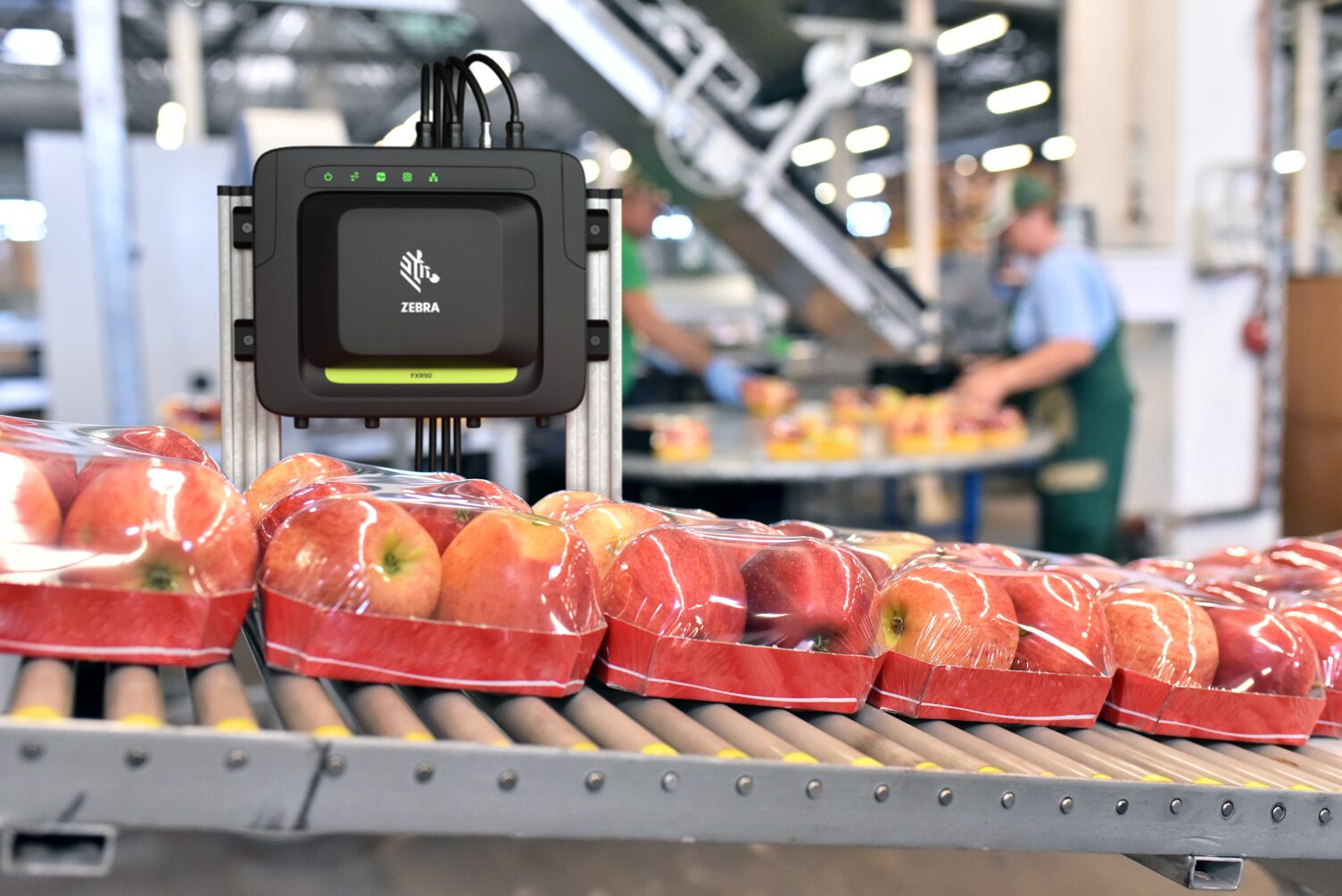 Today, we are witnessing a fundamental shift in how enterprises view technology. The conversation has evolved from a machine-centric paradigm to a collaborative, human-centric one. The core design question is no longer, “How do we automate this process?” but rather, “How do we use technology to partner with and amplify human capability?”
To answer that question, we must bridge the massive gap between physical workflows and digital intelligence. This is where Radio Frequency Identification (RFID) transitions from a simple data capture tool to the foundational pillar of modern operations. By deploying RAIN RFID at the operational edge, enterprises are creating a seamless feedback loop that captures physical reality, translates it into digital intelligence, and ultimately empowers the frontline workforce.
Establishing the Foundation at the Operational Edge
 The journey toward human-centric operations begins with frictionless data capture. For years, the mainstream narrative surrounding RAIN RFID was heavily anchored in controlled environments like retail floors. However, the most critical operational challenges exist in far more complex, dynamic settings: open-air logistics yards, sprawling industrial sites, and high-volume distribution centres. These are environments characterised by RF-reflecting metals, extreme temperatures, and heavy physical interference.
Deploying RAIN RFID infrastructure in these challenging settings is not about basic compliance or conducting periodic inventory counts. It is about achieving continuous, real-time operational visibility without requiring human intervention to collect it. But what does it actually mean to embed these “edge sensors” into physical workflows?
It requires a two-pronged approach that turns the physical environment itself into an intelligent network:
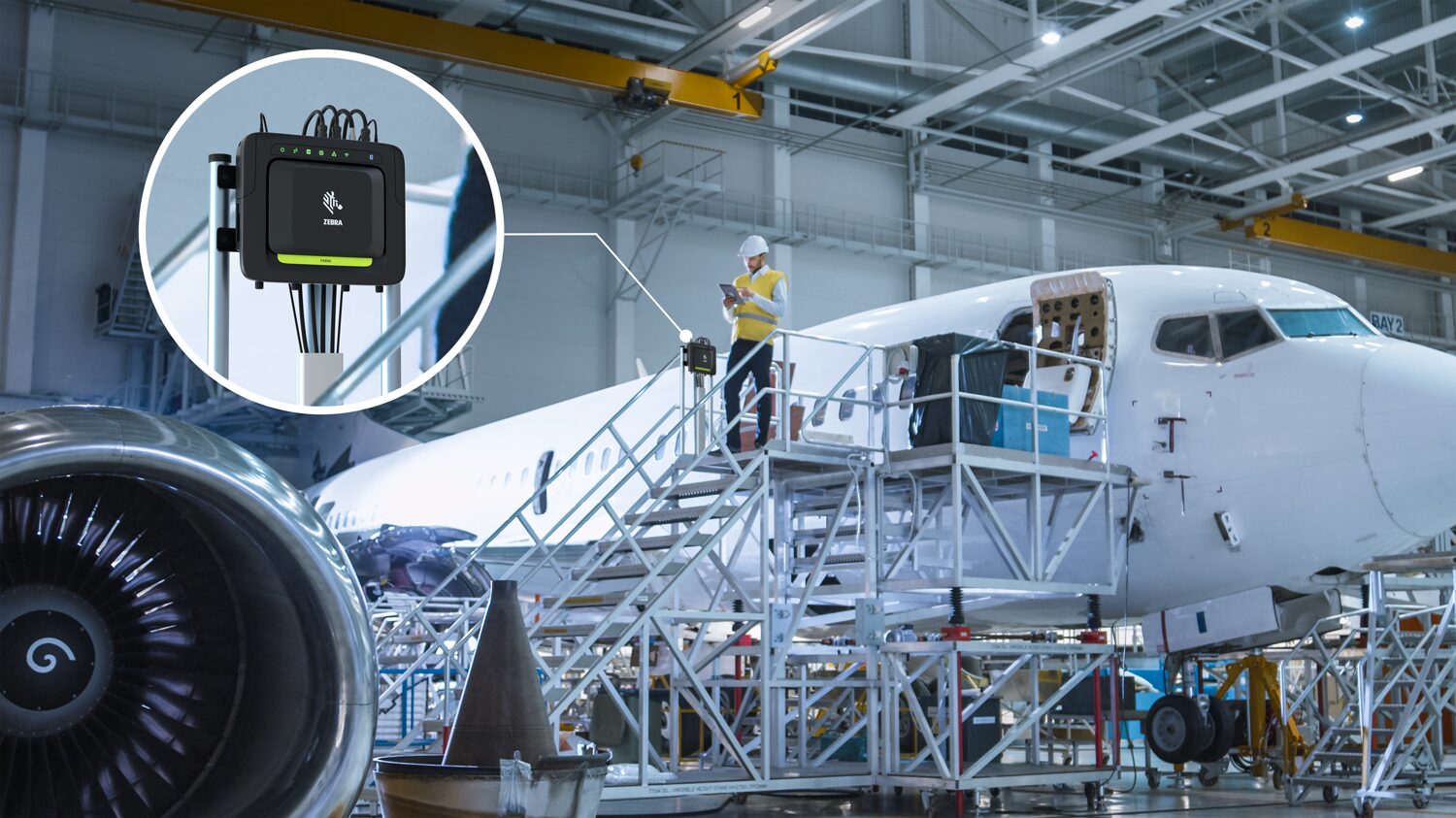
- Tagging the Physical Assets: First, we must make physical objects digitally visible. This means embedding passive or active RFID tags directly into or onto the assets at their point of origin—whether that is integrating heavy-duty tags into transport pallets, affixing metal-mount tags to aviation engine components, or placing medical-grade tags on high-value surgical trays.
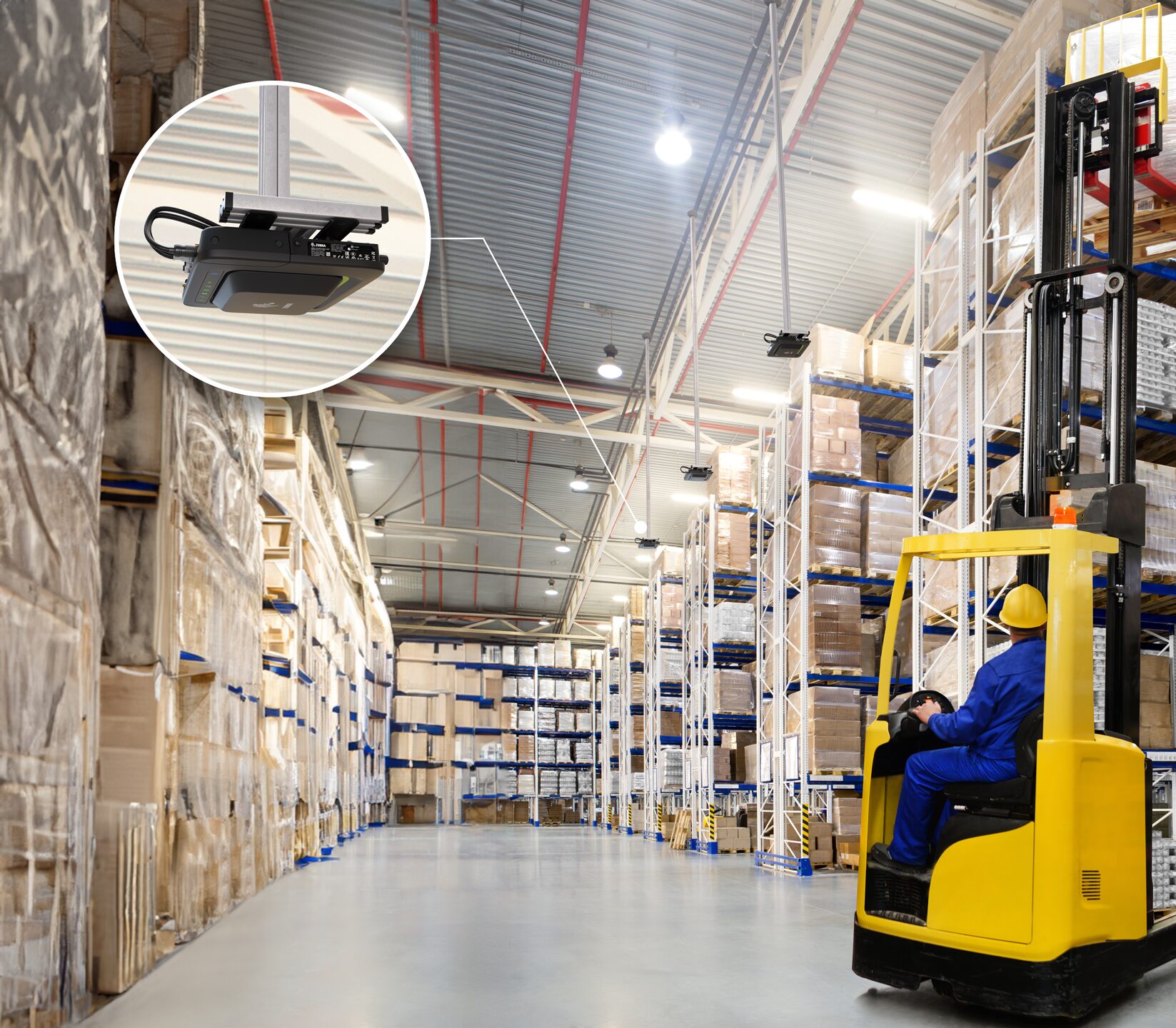
- Positioning the Infrastructure: Second, we build the reading infrastructure directly into the environment’s natural chokepoints and transition zones. Instead of relying on a worker with a hand scanner, we build RFID portals around warehouse dock doors, integrate low-profile antennas directly into smart workbenches, and mount arrays to facility ceilings.
By capturing and processing this data precisely where the work actually happens—at the “edge” of the network—we give a persistent digital voice to every asset, raw material, piece of equipment, and finished good.
Crucially, this capability elevates our operational mindset from simple “track-and-trace” to deep “process interrogation.” When a critical asset moves from one operational zone to another, the true enterprise value isn’t just in updating its location on a map. The value lies in capturing the context: knowing that the transition took three hours instead of the projected thirty minutes, understanding what other assets were present, and recognising the state of the workflow. That continuous stream of granular edge data forms the foundation of a truly intelligent enterprise.
From Physical Edge to Digital Intelligence
 Once that rich, contextual data is captured at the edge, it must be put to work. As organisations increasingly adopt Artificial Intelligence (AI), machine learning, and predictive analytics, the hunger for clean, real-time data has become insatiable. However, these advanced systems share a common vulnerability: they are entirely dependent on the quality of the data feeding them.
You cannot build a functional “Digital Twin” of a global supply chain or a complex facility without a continuous stream of truth from the physical floor. Edge-integrated RAIN RFID is uniquely positioned to be the primary data feeder for these advanced analytical engines. Because it captures the physical world so seamlessly, it gives AI platforms the exact context they need to understand reality.
With this uninterrupted data flow, machine learning algorithms can begin to synthesize complex environments. They can predict maintenance needs based on actual asset utilisation rather than estimated timelines. They can optimise routing workflows before a traffic bottleneck occurs in a distribution hub, and they can dynamically adjust schedules based on real-time consumption rates. But in a human-centric organisation, the ultimate goal of these AI engines isn’t to run the facility in the dark—it is to process that edge data into actionable insights for the human workforce.
Closing the Loop: Augmenting the Frontline Worker
This brings us to the ultimate culmination of edge-integrated RAIN RFID: workforce augmentation. In any physical sector, human capital is simultaneously an organisation’s most valuable and most constrained resource. Yet, highly skilled frontline workers—whether they are logistics operators, aviation technicians, or healthcare professionals—are frequently burdened with manual data entry, administrative tasks, and search routines. Every minute an employee spends manually scanning barcodes, hunting for misplaced critical assets, or verifying shipments is a minute of cognitive capacity lost to value-added work.
 Because RAIN RFID captures data passively at the edge and feeds it to intelligent systems, it removes the friction of manual data entry entirely. It does not replace the worker; it augments them by delivering the right information at exactly the right time.
Imagine a bustling, multi-acre distribution centre. Instead of a forklift driver having to dismount their vehicle to manually scan a pallet of mixed goods, an RAIN RFID portal automatically validates the materials as they pass through, instantly updating the warehouse management system and directing the driver to their next optimal task. Consider a hospital where nurses spend hours per shift searching for specialised medical equipment; an embedded edge network instantly locates the nearest available IV pump, allowing the clinician to focus entirely on patient care. Or picture an aviation technician whose workstation instantly recognises the specific engine component they are handling, automatically calling up the correct compliance documents on their monitor.
By removing the manual burden of data collection, we drastically reduce human error and eliminate unnecessary cognitive load. Workers are no longer acting as human barcode scanners or data-entry clerks; they are elevated to process supervisors.
The opportunity before us is profound. By leveraging RFID at the operational edge, we are not just tracking assets—we are building the central nervous system for human-centric operations. It is a continuous, intelligent loop where the physical world is digitised, analysed, and used to empower the workforce, proving that the future of enterprise technology is not about eliminating the human element, but about amplifying it.