
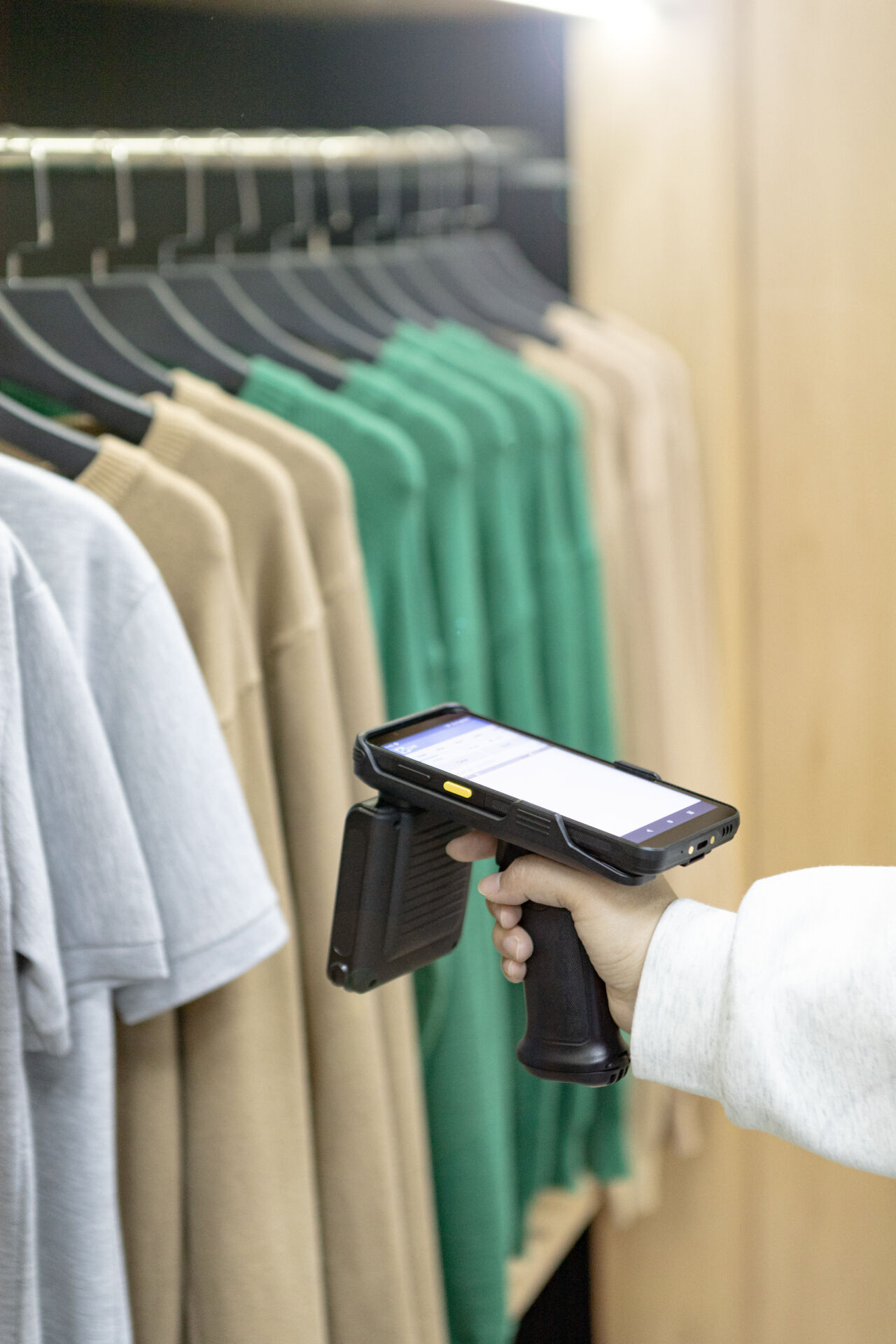
 RAIN RFID is moving rapidly from a technology project to an operational capability. Tag volumes continue to grow, use cases are expanding, and RAIN-enabled infrastructure is increasingly becoming part of how businesses understand the physical world. The RAIN Alliance and VDC Research forecast RAIN tag chip shipments to reach 115 billion units by 2028, following 45.5 billion shipments in 2023.
Yet scale alone does not guarantee impact.
A business can have sophisticated cloud platforms, carefully designed read zones, powerful analytics, and thousands of tagged assets – and still struggle to turn RAIN data into reliable operational decisions.
The reason is often found in a part of the architecture that receives less attention: the last meter.
For the purposes of this discussion, the last meter is the point where a tagged physical asset meets the device, person, and operational workflow that capture it. It is where a physical event becomes usable digital data.
And increasingly, it is where RAIN’s promise is either realized – or lost.
Infrastructure Sets the Ceiling. The Last Meter Sets the Floor.
Enterprise RAIN deployments depend on an entire ecosystem: tags and inlays, readers and antennas, networks, software, cloud platforms, analytics, and system integration. Together, these components establish what a deployment is technically capable of achieving.
But capability is not the same as performance in the real world.
Enterprise systems do not operate on theoretical read rates. They operate on the data that actually reaches them. That makes the point of capture critical.
A reader may perform exceptionally well in a controlled environment. Daily operations are different. Warehouses contain dense inventories and goods in motion. Manufacturing environments introduce metal, liquids, machinery, and changing conditions. Retail stores combine large tag populations with constant movement of products and people.
The objective, therefore, is not simply maximum read range or maximum read rate. It is consistent, usable data capture in the environment where the work actually happens.
The same applies to the device itself. If hardware is difficult to use throughout a shift, battery limitations interrupt operations, or connectivity is inconsistent, data quality and timeliness can suffer – regardless of how sophisticated the infrastructure behind it may be.
That leads to a simple principle:
Infrastructure sets the ceiling. The last meter sets the floor.
Tags make physical assets identifiable. Enterprise systems turn captured data into information and action. Between them sits a critical data-capture layer that determines whether physical reality is observed accurately in the first place.
The last meter is where that observation begins.
What Makes a Good Last Meter?
As RAIN moves into broader enterprise adoption, the challenge is no longer simply proving that RFID works. It is making it work reliably, repeatedly, and at scale.
For data-capture hardware, that means balancing several practical requirements.
Reliable capture comes first. Performance has to remain consistent under real operating conditions, accounting for tag density, movement, interference, read-zone design, and device positioning. The best read is not the one achieved under ideal conditions; it is the one that can be reproduced reliably in the workflow.
Usability matters wherever people are part of that workflow. Weight, ergonomics, battery life, ruggedness, and ease of operation can determine whether a technically capable device becomes part of everyday work or a source of friction.
Deployment economics matter as RAIN scales. A solution that works for a small number of specialist users may not be viable when capture capabilities are needed across hundreds of workers or operational touchpoints. Total cost of ownership, durability, support, and device utilization all become part of the equation.
Connectivity closes the loop. A read creates value only when it can move reliably from the edge into the systems that need it.
The real hardware question is therefore not simply:
Which reader has the highest specification?
It is:
Which capture approach delivers the right performance at the right point in the workflow?
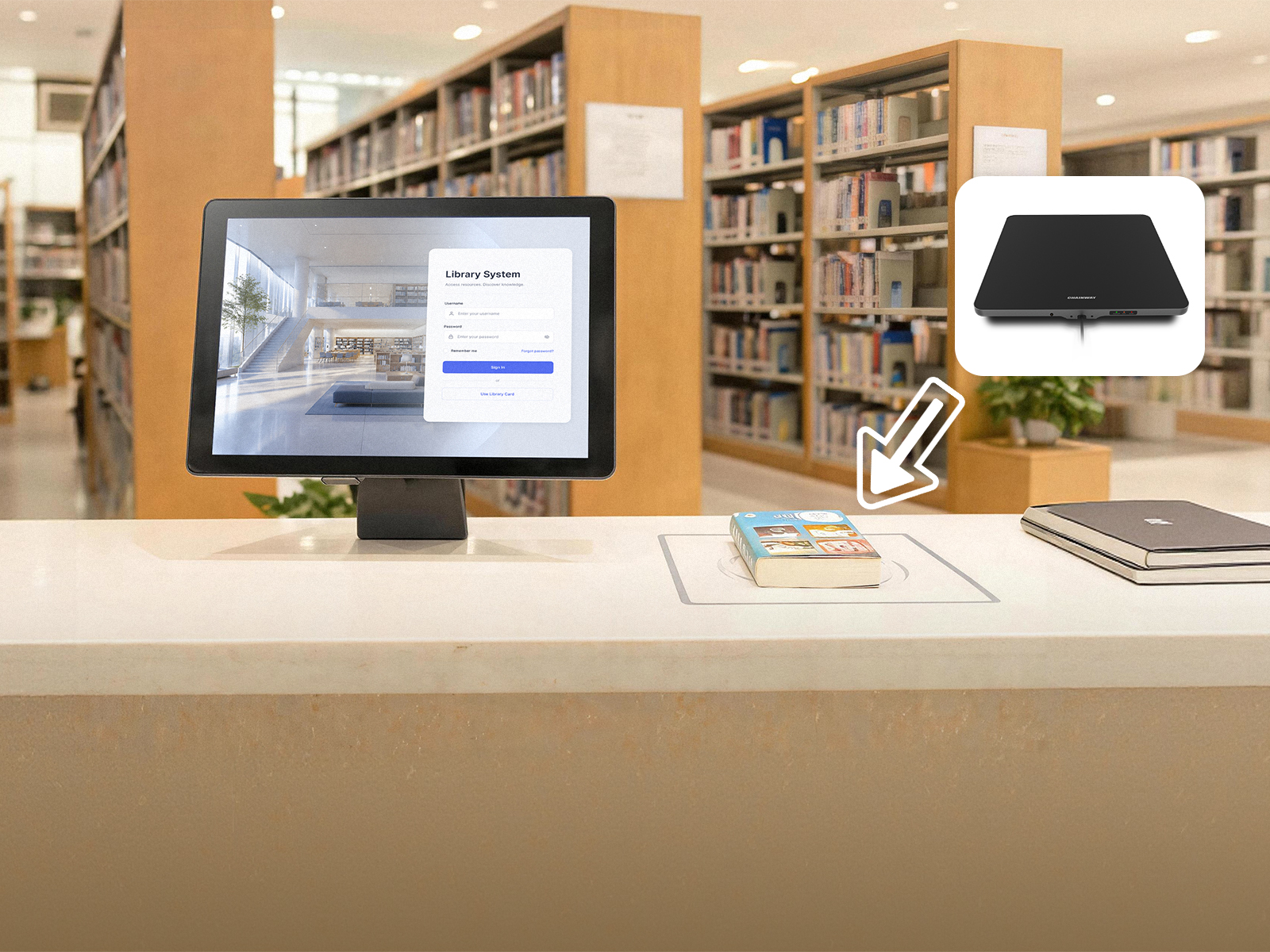


Different Workflows Need Different Ways to Capture
There is no single device form factor that solves every last-meter challenge.
A distribution center performing rapid inventory work may need a high-performance handheld RFID reader. A manufacturing environment may require rugged mobile computing integrated with RFID. Mobile or hands-free tasks may benefit from compact or wearable devices, while highly automated processes may rely on fixed readers or embedded modules.
The technology changes because the workflow changes.
This practical reality is reflected in Chainway’s approach to RAIN data capture. Through experience supporting enterprise applications across retail, warehousing, logistics, manufacturing, healthcare, and other operational environments, Chainway has developed RFID capabilities across handheld, mobile, wearable, fixed, and embedded form factors.
The objective is not to place the same device everywhere. It is to make reliable data capture available at the point where each workflow requires it.
The device is important – but the workflow it enables is more important.
And while capture devices play a critical role at the last meter, they are only one part of the wider RAIN ecosystem. Tag and inlay manufacturers make physical assets identifiable. Chip and antenna technologies enable RF performance. Software platforms turn captured information into workflows. System integrators connect those technologies with enterprise processes.
Business impact depends on these components working together.
For a data-capture provider such as Chainway, the role within that ecosystem is clear: help ensure that the moment of capture is reliable, practical, and connected, so that the potential created by the wider RAIN infrastructure can become usable operational data.
This role becomes even more important as enterprises invest in AI, analytics, and automation. These systems can generate increasingly sophisticated insights, but they remain dependent on the quality and timeliness of the physical-world data feeding them.
No reads, no intelligence.
The smarter the system becomes, the more important it is to get the read right at the edge.
From Reads to Results
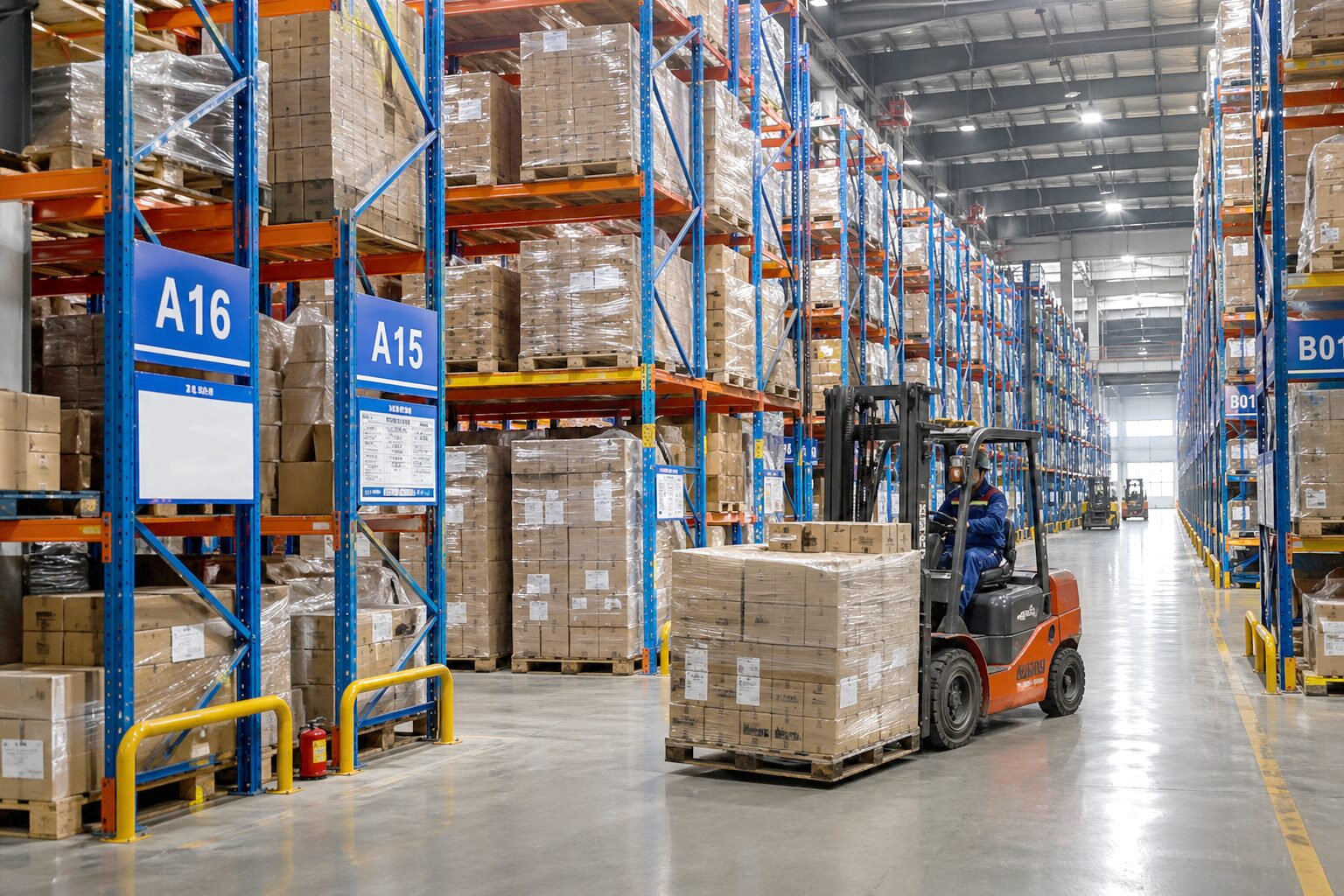 RAIN RFID has already demonstrated its ability to identify and track physical objects across retail, logistics, manufacturing, healthcare, aviation, and many other environments.
The next stage is different.
As RAIN moves toward broader enterprise adoption, the challenge is increasingly about repeatability, usability, scalability, and measurable impact.
That means paying greater attention to the point where digital infrastructure meets physical work – the last meter.
Because the last meter may be physically small, but its influence is not.
A missed read can affect an inventory record. An incomplete record can affect an operational decision. And that decision can affect cost, service, productivity, or customer experience.
The chain works in the other direction, too:
Reliable capture creates trustworthy data.
Trustworthy data enables better intelligence.
Better intelligence enables better action.
And better action is where RAIN creates business impact.
That is the journey from reads to results.
As the RAIN community comes together in Madrid for RAIN in Action 2026 under the theme “From Infrastructure to Impact,” the industry has an opportunity to look beyond infrastructure itself and examine what happens at the point where RAIN meets real-world operations.
For Chainway, that is the question at the heart of our work:
How can better data capture at the edge help turn RAIN infrastructure into measurable operational impact?
The answer begins at the last meter.