
Internet enabled, cans, carts, trucks and other pieces of equipment could lead to increased efficiency and lowered costs for the sector.
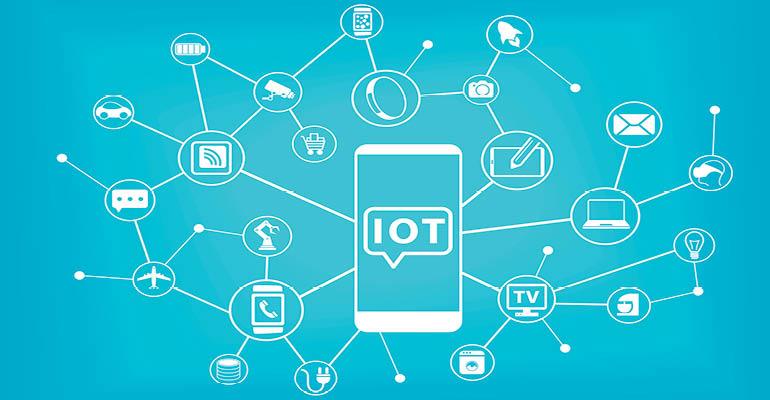
The trend of putting a wider variety of devices online—the so-called Internet of Things—continues to spread. Increasingly, household devices are now internet enabled, allowing users to control them remotely or get alerts if something is amiss. Devices increasingly collect new streams of data that can be analyzed to change behaviors or purchasing decisions. The waste and recycling industry is also being affected, with trucks, containers of all sizes and other pieces of equipment increasingly becoming part of this Internet of Things.
According to Navigant Research, the global smart waste collection technology market is expected to grow from $57.6 million in 2016 to more than $223.6 million in 2025.
Within the waste and recycling industry, a few key categories have emerged where objects connected to the internet are affecting operations and efficiencies. Radio-frequency identification (RFID) technology on carts helps track those assets in the field and can be used by haulers to confirm that addresses have been serviced.
Source: The Waste and Recycling Industry and the Internet of Things